From MVP to Enterprise Platform: Web Apps That Grow with Demand

I am Sanket Shah, founder and CEO of Deuex Solutions, where I focus on building scalable web mobile and data driven software products with a background in software development. I enjoy turning ideas into reliable digital solutions and working with teams to solve real world problems through technology.
Most web apps do not fail because the idea was wrong.
They fail because the product outgrows the foundation.
A team builds an MVP. It works. Users sign up. Leadership gets excited. Then demand increases, workflows get messy, and suddenly the same MVP starts behaving like a bottleneck.
The app slows down. Deployments become stressful. Reporting becomes unreliable. Data becomes inconsistent. The engineering team spends more time fixing than building.
This is the moment when CTOs and digital strategy leaders realize a hard truth.
Scaling is not about adding servers. Scaling is about building the right product structure.
That is why custom enterprise web solutions have become a serious priority in 2026. Businesses want speed, but they also want a platform that can handle growth without constant rewrites.
This blog explains how enterprises can move from MVP to a long-term platform, what decisions matter most, and how to avoid the common traps that make growth painful.
Why do MVPs struggle when demand grows?
An MVP is designed for validation. Not scale.
Most MVPs are built to answer one question:
"Will people use this product?"
Once that question is answered, the next set of questions arrives fast:
Can the system handle 10x traffic?
Can we onboard enterprise clients?
Can we integrate with ERP and CRM systems?
Can we meet security and compliance expectations?
Can we support multiple teams building features at the same time?
If the MVP architecture was built with shortcuts, these new requirements expose every weak point.
In our experience, this is where many teams get stuck. They keep adding features on top of unstable foundations, and the platform becomes harder to maintain each month.

What is the real difference between an MVP and an enterprise platform?
An MVP is usually focused on:
Basic functionality
Fast delivery
Minimal features
Quick validation
Short-term speed
An enterprise platform is focused on:
Reliability
Security and access control
Long-term maintainability
Integration readiness
Performance under load
Governance and auditability
This shift is not cosmetic. It changes how you build everything.
That is why custom enterprise web solutions are not just web apps with more features. They are systems designed for scale, ownership, and long-term business value.
When should you start thinking about enterprise-grade architecture?
This is one of the most common questions CTOs ask.
Here is the honest answer.
You should start thinking about platform readiness the moment your MVP shows signs of product-market fit.
Those signs include:
User growth accelerating
Paying customers increasing
Support requests rising
Features being requested faster than teams can deliver
Leadership asking for enterprise contracts
External integrations becoming necessary
Waiting too long creates a situation where scaling requires rebuilding core parts of the product while business pressure keeps increasing.
That is an expensive position to be in.
The growth curve is not linear
Many teams assume growth happens slowly.
It often does not.
A single enterprise customer can change the scale requirements overnight. One partner integration can increase usage patterns dramatically. A new region launch can introduce compliance needs that force architectural changes.
This is why platform thinking matters early.
A web product should be built to survive unexpected growth, not only planned growth.
What makes custom enterprise web solutions scalable?

Scalability is not one decision. It is a collection of decisions.
Here are the core pillars that matter.
Pillar 1: A modular architecture that supports change
If your codebase is tightly coupled, every change becomes risky.
Enterprise web platforms need clear boundaries.
That can be achieved through:
Modular monolith patterns
Domain-driven design concepts
Layered architecture
Service-based architecture when needed
Not every platform needs microservices. Many teams scale successfully with a modular monolith for years.
The key is modularity.
If you cannot isolate features, your platform becomes fragile.
Pillar 2: Data consistency and a single source of truth
MVPs often store data in whatever way works quickly.
Enterprise platforms cannot afford that.
Once you have multiple teams, multiple integrations, and multiple business workflows, data consistency becomes the heart of reliability.
A scalable platform should define:
Which system owns customer data
Which system owns order data
How reporting is generated
How updates are propagated across systems
In our experience, the fastest way to break a growing product is to let data ownership become unclear.
Pillar 3: API-first design for long-term flexibility
MVPs often treat APIs as implementation details.
Enterprise platforms treat APIs as contracts.
API-first design helps you:
Separate frontend and backend work
Support mobile and partner integrations
Reduce breakage during upgrades
Enable modular teams to work independently
If your platform will integrate with CRMs, payment systems, or external partners, API discipline becomes non-negotiable.
Pillar 4: Performance planning, not performance firefighting
Performance issues rarely appear during MVP stage.
They appear when the business is already dependent on the platform.
At that point, performance problems become costly.
Enterprise-grade performance planning includes:
Load testing before release
Caching strategy
Database indexing discipline
Performance budgets for frontend assets
Monitoring for latency patterns
A good performance strategy prevents outages, but it also protects customer trust.
Pillar 5: Observability and monitoring built into the platform
Scaling without visibility is dangerous.
Once the platform grows, debugging becomes harder. Distributed systems increase complexity. Logs become noisy. Incidents become unpredictable.
Modern platforms need observability from day one.
That includes:
Centralized logging
Metrics dashboards
Distributed tracing
Error monitoring
Alerting with clear thresholds
OpenTelemetry has become a common foundation for observability.
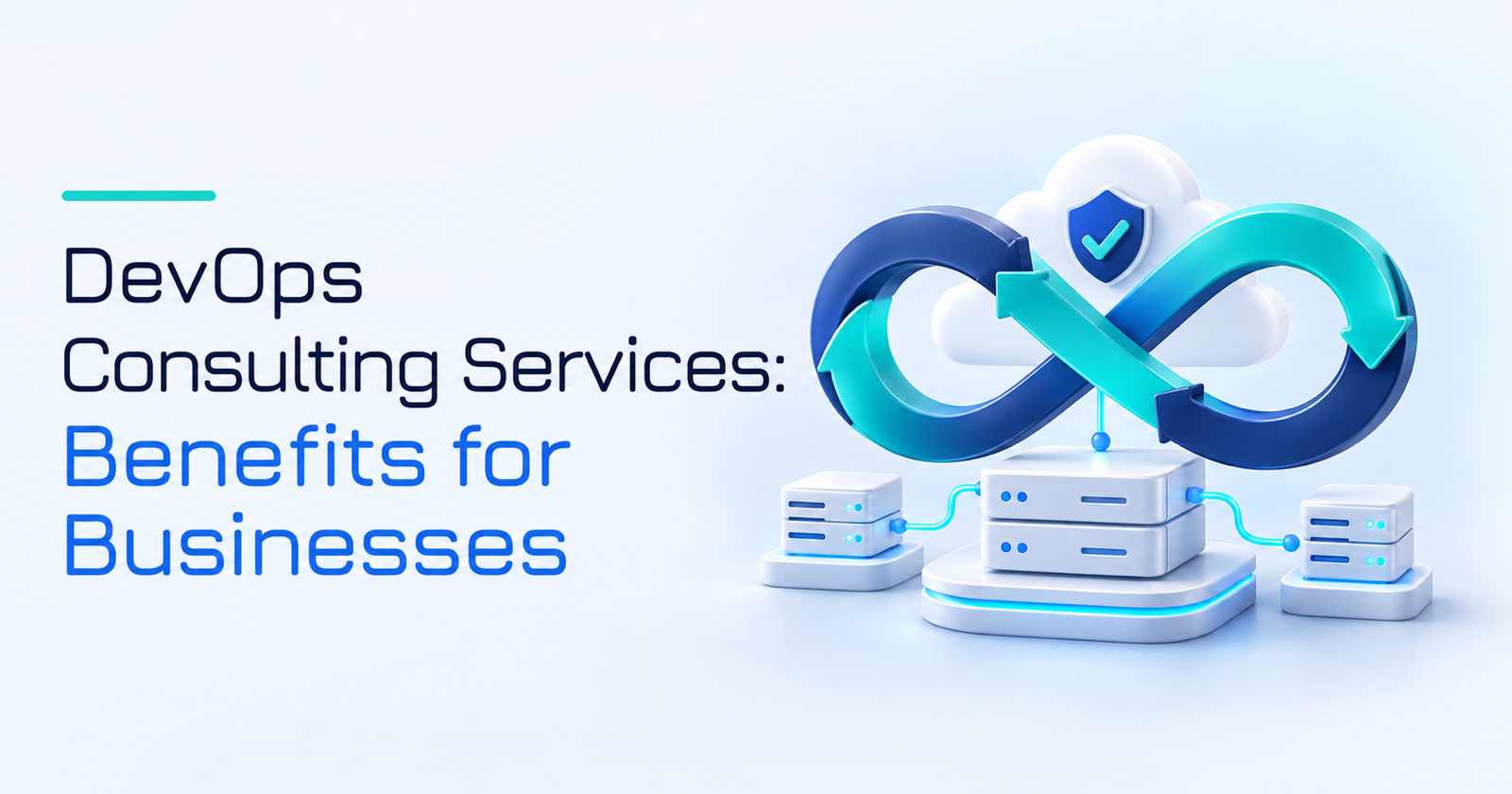
Pillar 6: DevSecOps maturity for safe scaling
An MVP can survive manual deployments.
An enterprise platform cannot.
When releases increase, security risks increase too. Dependency vulnerabilities become more frequent. Manual processes create human errors.
DevSecOps is not a trend. It is the delivery foundation for platforms that scale safely.
Enterprise-grade delivery pipelines should include:
Automated builds and testing
Code review enforcement
Security scanning
Dependency scanning
Secrets management
CI/CD with rollback strategies
The MVP trap: when speed becomes technical debt

The biggest mistake many organizations make is confusing MVP speed with platform speed.
MVP speed is about shipping features quickly.
Platform speed is about shipping features repeatedly, safely, and predictably.
A product can ship quickly for three months and still be doomed. It happens when:
Code quality declines
Testing is skipped
Architecture becomes tangled
Documentation is missing
Release cycles become fragile
In our work with growing businesses, we have seen this pattern often.
A team will say, "We can build it faster." And they can.
But six months later, delivery slows because the platform is unstable.
Case Study Insight: Scaling through operational discipline
One of the clearest scaling lessons comes from Shopify’s engineering practices. Shopify has shared how they handle massive traffic spikes, especially during high-volume commerce periods.
Their approach is not about a single framework. It is about disciplined architecture, performance testing, and operational readiness.
The lesson for CTOs is clear.
Scaling requires architecture and operational maturity. Not just code.
Case Study Insight: Netflix and system resilience
Netflix is another widely referenced example. Their systems scale because their architecture is designed around failure as a normal condition.
They build systems expecting:
services will fail
traffic will spike
networks will degrade
deployments will introduce bugs
This mindset forces resilient design.
Netflix is not relevant because every company needs Netflix-scale systems. Netflix is relevant because they show how resilience thinking becomes architecture.
Research Insight: What Gartner says about scaling digital platforms
Gartner’s software engineering trends research continues to highlight the shift toward cloud-native architecture, platform engineering, and automation-driven delivery.
One recurring theme is that organizations must treat platforms as products, with governance and lifecycle management, not just IT projects.
This supports the shift from MVP thinking to enterprise platform thinking.
What should CTOs focus on first when scaling an MVP?
Here is a practical checklist.
1. Stabilize the core domain
Do not rebuild everything. Focus on the workflows that drive revenue or operations.
2. Fix the data layer
Data issues become expensive at scale.
3. Improve deployment and testing
If releases are risky, growth will slow.
4. Add observability
If you cannot detect failures early, downtime grows.
5. Harden security
Enterprise customers will ask security questions early.
A realistic roadmap: MVP to enterprise platform

Here is a practical way to structure the transition.
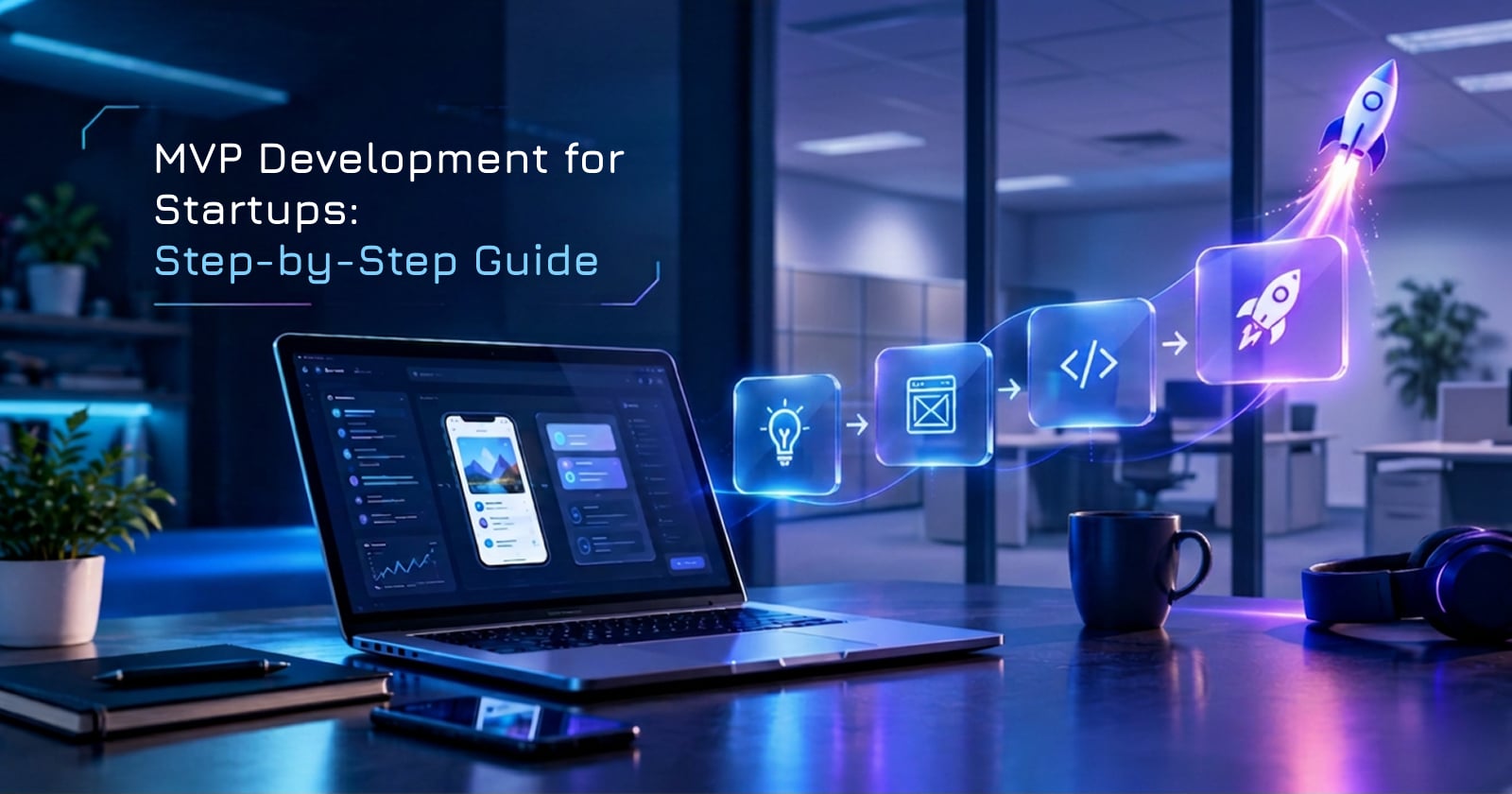
Phase 1: MVP validation (0 to 6 months)
Goal: prove adoption.
Focus on:
shipping the core workflow
capturing user feedback
validating business demand
building fast prototypes
At this stage, you should still keep architecture clean. You do not need microservices, but you do need structure.
Phase 2: Platform readiness (6 to 18 months)
Goal: prepare for scale.
Key actions:
define system boundaries
stabilize the data model
formalize API contracts
introduce CI/CD pipelines
implement security baseline
add monitoring and logging
This is where many companies delay. That delay becomes expensive later.
Phase 3: Enterprise expansion (18 months and beyond)
Goal: scale customers and integrations.
Key actions:
multi-tenant readiness
role-based access controls
compliance support
performance tuning
scalability planning
integration strategy for ERP and CRM
This is where custom enterprise web solutions show their value. The platform becomes a long-term business asset.
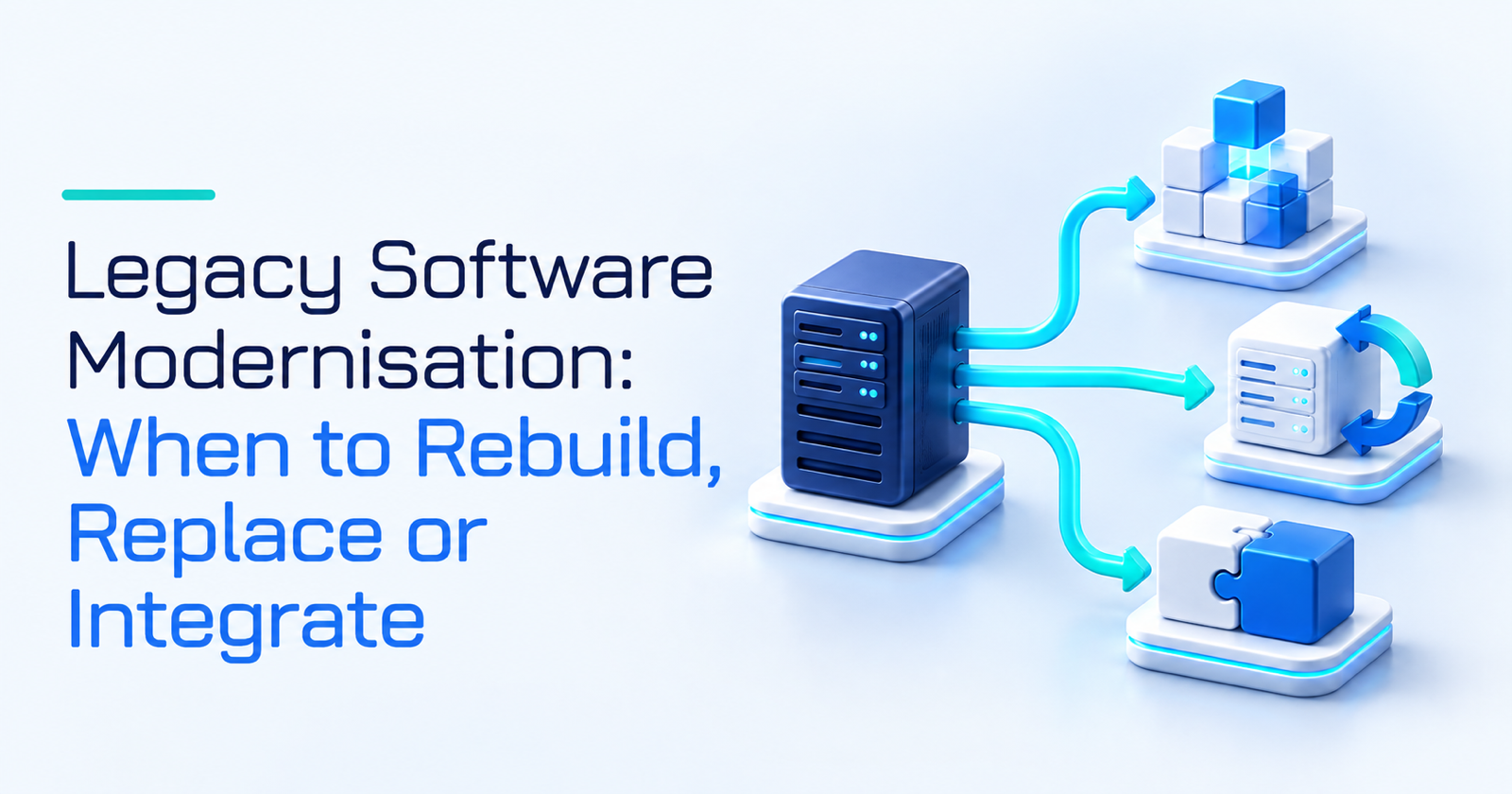
How do you avoid rewriting everything?
This is a common fear.
The good news is you usually do not need a rewrite.
What you need is structured refactoring.
A rewrite often fails because it pauses delivery. The business cannot wait.
Instead, successful teams modernize gradually by:
refactoring one domain at a time
migrating to better APIs incrementally
improving deployment pipelines while still shipping features
replacing fragile modules instead of rebuilding everything
When we worked with a client in a high-growth phase, we noticed that incremental modernization delivered faster results than a full rebuild. It reduced risk and kept business momentum intact.
Multi-tenancy: the enterprise scaling requirement most teams underestimate
If your platform is moving into enterprise accounts, multi-tenancy becomes a major design requirement.
You need to answer:
Is each customer isolated?
Are data partitions clean?
Can customers have separate configurations?
Can you support multiple environments?
Multi-tenancy is not only a database decision. It affects identity, authorization, reporting, and performance.
Identity and access management: scaling trust
MVPs often use simple authentication.
Enterprise platforms require serious access control.
You need:
SSO support
MFA
role-based permissions
audit trails
session management
API security enforcement
This becomes critical when customers expect compliance-grade controls.
What about AI and automation inside enterprise platforms?
In 2026, platforms increasingly embed AI.
But AI introduces new scaling pressure.
Because AI features often require:
real-time data access
monitoring of model behavior
explainability in decision flows
strict data privacy controls
AI cannot be added casually. It must be governed like any other enterprise feature.
Product leadership perspective: the platform must remain usable

Scaling is not only technical.
As features grow, user experience can degrade.
Enterprise portals often fail because they become cluttered.
To avoid this, product teams should invest in:
clear information architecture
role-based dashboards
consistent workflows
onboarding guidance
usability testing
A platform that scales but becomes confusing still loses customers.
The delivery model that supports enterprise growth
Many CTOs focus heavily on architecture but overlook delivery structure.
Scaling requires teams that can ship independently.
That often means:
dedicated squads for domains
shared DevOps and security ownership
clear code ownership rules
This is where mature delivery practices reduce chaos.
How Deuex Solutions supports custom enterprise web solutions
At Deuex Solutions, we work with organizations that start with MVPs and later realize they need a platform that can support growth.
In many cases, the MVP is not wrong. It is simply incomplete.
The next step is building the structure required for scale.
We support enterprises by delivering:
scalable architecture planning
modular system design
API-first engineering
CI/CD automation
observability setup
secure delivery practices
long-term maintainability focus
If you are building a platform that must grow with demand, our service offering is designed for this journey.
Final takeaway for CTOs and digital strategy leaders
MVPs are built to prove demand.
Enterprise platforms are built to survive demand.
The transition requires deliberate decisions around architecture, data ownership, delivery automation, security, and observability.
If you build those foundations early, growth becomes manageable. Your teams stay productive. Customers stay happy. Leadership trusts delivery.
That is what custom enterprise web solutions are really about.
Not complexity.
Control.